
Endodontic Treatment in Marmaris

Root Canal Treatment in Marmaris, Turkey

Root canal treatment is used to remove infected or damaged tissue from inside a tooth, clean and seal the root canal system and help preserve the natural tooth whenever it can be predictably restored.
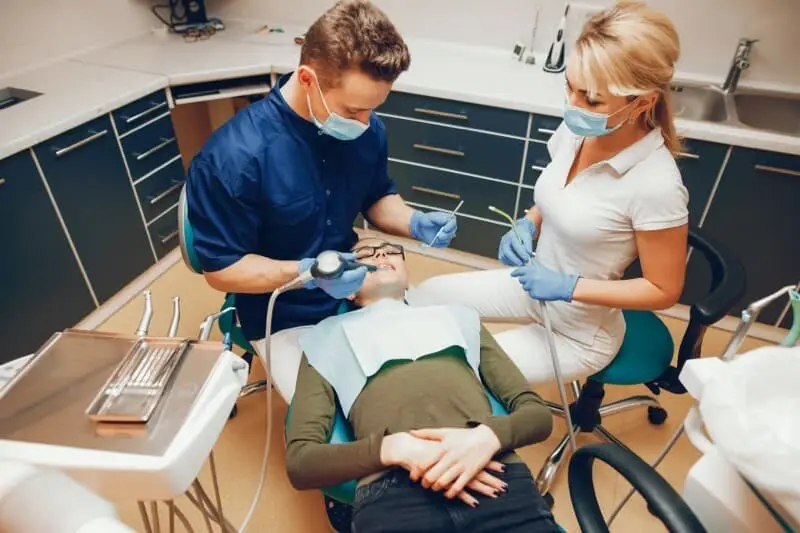
Root canal treatment at Marmaris Dental Center
Preserve the Natural Tooth Treatment aims to remove infected tissue and restore the tooth where it can be saved.
Natural Tooth Preservation Treatment may allow an infected tooth to remain in function.
Local Anaesthetic The procedure is normally carried out with local anaesthesia.
1–3 Sessions The number of appointments depends on canal anatomy and infection.
Crown or Filling The treated tooth may require a final restoration for protection.
Understanding Endodontic Treatment

What Is Root Canal Treatment?

Inside each tooth is a hollow space containing soft tissue known as the dental pulp. This tissue contains nerves, blood vessels and connective tissue.

When the pulp becomes inflamed, infected or damaged, root canal treatment may be used to remove the affected tissue from inside the tooth.

The root canal system is then cleaned, shaped, disinfected and sealed before the tooth is restored with a suitable filling or crown.

Signs of Pulp Damage

When Might a Tooth Need Root Canal Treatment?

Symptoms vary, and some teeth can require treatment even without severe pain.

Temperature Sensitivity

A damaged or inflamed pulp may cause sensitivity to hot or cold temperatures.

Pain When Chewing

Pressure or biting on an affected tooth may produce discomfort or pain.

Throbbing Toothache

Some patients experience persistent or throbbing pain when the pulp becomes severely inflamed or infected.

Infection & Swelling

Infection may spread beyond the tooth and affect the surrounding tissues if left untreated.

Treatment Process

The 3 Main Steps of Root Canal Treatment

The existing treatment information describes three main stages, with the total number of appointments depending on the complexity of the tooth and infection.

01

Cleaning the Root Canal

After local anaesthesia, an access opening is made and infected, inflamed or dead pulp tissue is removed from inside the tooth using specialised instruments.

02

Shaping & Filling the Canal

The root canal space is cleaned, shaped and disinfected before being sealed with an appropriate root canal filling material.

03

Final Filling or Crown

The tooth is restored after root canal treatment. A filling or crown may be recommended depending on the remaining tooth structure and the amount of protection required.

Tooth Preservation Saving the Natural Tooth Where Possible

Root canal treatment is intended to retain a tooth that might otherwise be lost because of infection or pulp damage, provided the remaining tooth can be predictably restored.

  • Keep the Natural Tooth

    When treatment is successful and the tooth is restorable, the natural tooth can remain in the dental arch.

  • Maintain Dental Function

    A properly restored tooth can continue to contribute to chewing and normal bite function.

  • Avoid Unnecessary Extraction

    If a tooth can be predictably treated and restored, extraction may not be necessary.

  • Restoration Still Matters

    Root canal treatment addresses the pulp and canal, while the remaining tooth structure still needs appropriate restorative protection.

Restoring the Tooth

What Happens After Root Canal Treatment?

The final restoration depends on the amount of healthy tooth structure remaining and the location and function of the tooth.

Conservative Restoration

Dental Filling

Where sufficient healthy tooth structure remains, a filling may be suitable to restore the access opening and protect the treated tooth.

Additional Protection

Dental Crown

Teeth with substantial loss of structure may require a porcelain or zirconia crown to help protect the tooth from future fracture and restore its function.

After Treatment Protect the Tooth During Recovery

Until the permanent filling or crown has been completed, additional care may be required to avoid damaging a weakened or temporarily restored tooth.

  • Avoid Heavy Biting

    Avoid excessive chewing pressure on the treated tooth until the dentist confirms that the final restoration is complete.

  • Complete the Final Restoration

    Attend the recommended appointment for the permanent filling or crown when one is required.

  • Monitor Pain or Swelling

    If significant pain, swelling or other unexpected symptoms develop, contact the treating dental team for reassessment.

  • Maintain Oral Hygiene

    Continue appropriate brushing, interdental cleaning and routine dental care after treatment.

Individual Tooth Assessment

Can Your Tooth Be Saved?

Whether root canal treatment is suitable depends on the condition of the pulp, infection, remaining tooth structure and surrounding tissues. A dental examination is required to determine whether the tooth can be predictably treated and restored.

Personalised Assessment Treatment is planned according to the condition of the individual tooth.
Frequently Asked Questions

Root Canal Treatment FAQs

Common questions about root canal treatment, tooth preservation and restoration after treatment.

What is a root canal?
The root canal is the internal space within a tooth containing the dental pulp. The term “root canal” is also commonly used to describe the endodontic treatment carried out when this tissue becomes infected or damaged.
Why might I need root canal treatment?
Root canal treatment may be recommended when the dental pulp becomes inflamed, infected or damaged because of deep decay, cracks, trauma or other problems affecting the inside of the tooth.
What symptoms can indicate a root canal problem?
Possible symptoms include sensitivity to hot or cold, pain when chewing, throbbing toothache and swelling. However, symptoms vary and dental examination is needed for diagnosis.
How is root canal treatment performed?
The main stages involve removing damaged or infected pulp tissue, cleaning and shaping the root canal system, disinfecting and sealing the canals, and then restoring the tooth with an appropriate filling or crown.
Does root canal treatment require local anaesthetic?
Local anaesthesia is generally used so that the dentist can access and clean the tooth while keeping the patient comfortable during treatment.
How many appointments are needed?
The existing treatment information describes a range of one to three sessions. The number of appointments can vary depending on the number and shape of the canals and the extent of infection.
Will I need a crown after root canal treatment?
Not every tooth requires the same restoration. Teeth with substantial loss of structure may benefit from a crown, while others may be restored with a filling. The dentist determines the appropriate restoration after evaluating the remaining tooth structure.
Why can a root canal treated tooth need extra protection?
Teeth requiring root canal treatment may already have significant decay, cracks or loss of structure. A crown or other restoration may therefore be recommended to protect the remaining tooth from fracture.
Can root canal treatment save a natural tooth?
Root canal treatment is intended to preserve a tooth when the infected or damaged pulp can be treated and the remaining tooth can be predictably restored.
What happens if the tooth cannot be saved?
If the tooth is not restorable or cannot be predictably treated, extraction may need to be considered. Tooth replacement options can then be discussed separately according to the individual case.
Can I chew normally immediately after treatment?
Heavy biting on the tooth may need to be avoided until the final restoration has been completed, particularly when the tooth has been significantly weakened.
What should I do if I have pain or swelling afterwards?
Some postoperative sensitivity can occur, but significant or worsening pain, swelling or other unexpected symptoms should be discussed with the treating dentist.
Root canal treatment suitability, the number of appointments, the need for additional infection management and the type of final restoration vary according to the individual tooth. Clinical examination and appropriate dental imaging are required before a treatment plan can be confirmed.
Treatment Enquiry

Interested in Root Canal Treatment?

Tell us what you would like help with. Our team will review your enquiry and help you understand the next steps for planning your treatment in Marmaris.

Personalized treatment guidance
Clear treatment planning
International patient support