
01
Examination & Planning
Your dentist assesses your teeth, bite and treatment needs and discusses the planned result.
Restore damaged, worn or heavily treated teeth with custom-made dental crowns designed to improve strength, function and the natural appearance of your smile.

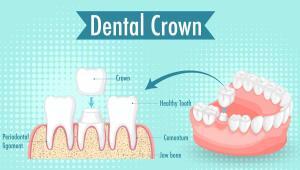
A dental crown is a custom-made restoration that covers the visible portion of a tooth. It may be recommended when a tooth has been significantly damaged, weakened, worn or restored and requires additional protection.
Crowns can also be used as part of cosmetic dentistry when changes to tooth shape, size, proportion or colour are planned. Because the restoration surrounds the prepared tooth, a crown can allow broader changes than treatments that cover only the front surface.
Dental crowns can be designed to blend with surrounding teeth or can form part of a wider smile makeover treatment plan.
The exact process depends on the condition of your tooth, the number of crowns required and the restoration selected.
Your dentist assesses your teeth, bite and treatment needs and discusses the planned result.
The tooth is carefully prepared to create appropriate space for the new crown.
An impression or digital record is taken and a temporary restoration may be provided while the crown is prepared.
The fit, shape, shade and bite are checked before the final crown is securely fitted.
The most appropriate material depends on the tooth being treated, functional requirements, appearance and your individual treatment plan.
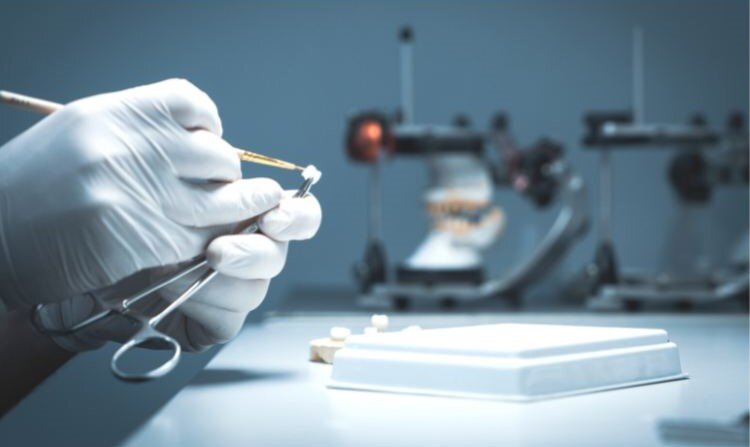
Zirconia is a strong ceramic material used for dental restorations. Its light-coloured structure can provide an aesthetic option when natural-looking tooth colour is important.
Depending on the restoration, zirconia may be used as a full-contour crown or combined with additional ceramic layers to achieve the planned appearance.
Porcelain-fused-to-metal crowns combine an internal metal framework with an external tooth-coloured porcelain layer.
They have traditionally been used where strength is important, including selected posterior teeth and restorative situations. Your dentist can discuss whether this material is appropriate for your case.
A crown surrounds the prepared tooth and may provide additional protection and support.
Damaged or significantly worn teeth can be rebuilt to more appropriate proportions.
Restoring tooth structure can help improve biting and chewing function where appropriate.
Shape and shade can be selected to complement surrounding natural teeth.
Crowns may form the visible tooth restoration placed over a dental implant.
Crowns can be used as supporting restorations in selected dental bridge treatments.
Crowns may be included in wider cosmetic treatment where significant shape changes are required.
Every crown is planned according to the tooth, surrounding teeth and patient's bite.
The existing treatment information recommends that many international patients allow approximately seven days for dental crown treatment, although the exact schedule depends on the number and type of restorations required.
Your dentist assesses your teeth and confirms your proposed treatment plan.
Teeth are prepared and records are taken for the planned crowns. Temporary restorations may be provided.
The restorations are assessed for fit, bite, shape and appearance and adjustments can be discussed.
Once the crown has been approved and the fit confirmed, the final restoration is secured in place.
Crown longevity varies according to the restoration, bite, oral hygiene and individual habits. The existing page notes that crowns may last many years when they are properly maintained. Regular dental checks, good oral hygiene and avoiding unnecessary stress on restored teeth are important for long-term care.
Common questions patients ask when considering dental crowns in Marmaris.