
Dental Extractions in Marmaris

Tooth Extractions in Marmaris, Turkey

When a tooth cannot be predictably preserved, extraction may be recommended to manage severe decay, damage, infection or impaction. Treatment is carefully planned to make the procedure as comfortable and controlled as possible.
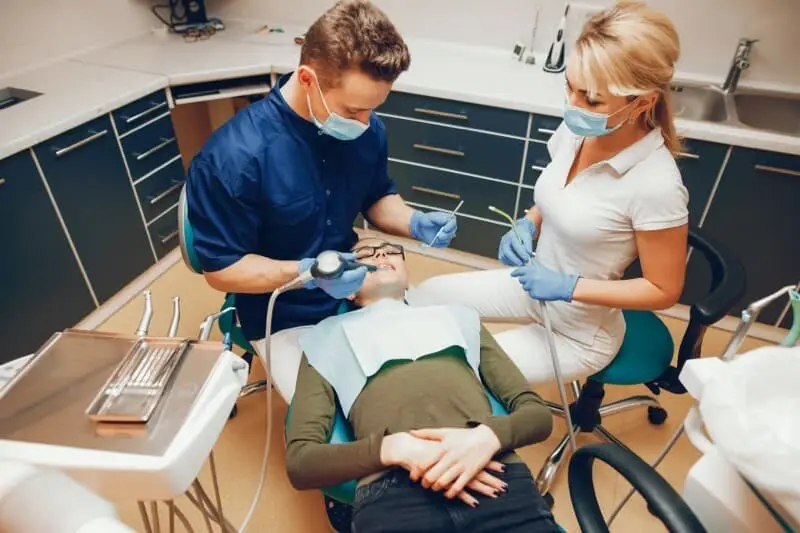
Tooth extraction treatment at Marmaris Dental Center
Carefully Planned Extraction The tooth and surrounding area are assessed before treatment and local anaesthesia is used where appropriate.
Tooth Preservation First Extraction is considered when preserving the tooth is not the best option.
Local Anaesthesia The treatment area is normally numbed before extraction.
Simple or Surgical The technique depends on tooth position and complexity.
Aftercare Guidance Protecting the extraction site is an important part of healing.
Understanding Tooth Removal

When Is a Tooth Extraction Needed?

Dentists generally aim to preserve natural teeth whenever this can be done predictably. In some cases, however, removing a tooth may be the most appropriate way to protect oral health or allow further treatment.

Severe decay, extensive structural damage, infection or impaction can make extraction necessary when the tooth cannot be predictably restored or is causing ongoing problems.

The treatment approach depends on the position of the tooth, its roots, surrounding bone and whether the tooth has fully erupted into the mouth.

Common Reasons

Why Might a Tooth Need to Be Removed?

Severe Decay

Extensive decay may leave too little healthy tooth structure for a predictable long-term restoration.

Structural Damage

A badly fractured or damaged tooth may sometimes be unsuitable for restoration.

Infection

In selected cases, infection and the condition of the remaining tooth may make extraction necessary.

Impaction

A tooth that cannot fully erupt may become trapped under gum or bone and require surgical assessment.

Extraction Techniques

Simple vs Surgical Extraction

The technique depends on how accessible the tooth is and whether additional surgical access is required.

Fully Erupted Tooth

Simple Extraction

When the tooth is visible and accessible, the dentist may be able to carefully loosen and remove it using dental instruments without creating additional surgical access.

More Complex Tooth

Surgical Extraction

Teeth that are impacted, broken below the gum line or difficult to access may require an incision in the gum and, in some cases, removal of a small amount of bone or sectioning of the tooth.

Before Extraction Examination & Treatment Planning

The existing Marmaris Dental Center page states that the affected tooth and surrounding area are carefully examined before extraction. The treatment plan is based on the tooth, surrounding tissues and individual patient needs.

  • 1

    Tooth Examination

    The condition of the tooth and surrounding gums is assessed before treatment.

  • 2

    Dental Imaging When Needed

    X-rays may be used to assess roots, surrounding bone and nearby anatomical structures where appropriate.

  • 3

    Medical History

    Current health conditions and medications should be reviewed before the procedure.

  • 4

    Extraction Plan

    The dentist determines whether a simple or surgical approach is likely to be required.

Treatment Process

How Is a Tooth Extracted?

01

Local Anaesthesia

The area around the tooth is numbed to help keep you comfortable during the procedure.

02

Tooth Access

The dentist gains appropriate access to the tooth. Surgical access may be required for impacted or more complex teeth.

03

Tooth Removal

The tooth is carefully loosened and removed using the technique considered appropriate for the individual case.

04

Socket Care

The extraction site is checked and postoperative instructions are provided to support early healing.

Impacted Teeth

Wisdom Tooth & Impacted Tooth Extractions

An impacted tooth is unable to fully emerge into its normal position in the mouth. Wisdom teeth are a common example, although other teeth may also become impacted.

Where a tooth is partly or completely covered by gum or bone, surgical access may be needed. The tooth may also be divided into smaller sections to allow controlled removal.

The exact approach depends on tooth position, root anatomy and surrounding structures.

Surgical Extraction May Involve

Opening the gum when necessary, creating access to the tooth, removing the tooth in one or more sections and placing stitches where appropriate. The exact technique varies according to the tooth and clinical situation.

After Tooth Extraction Protect the Blood Clot While Healing Begins

After a tooth is removed, a blood clot normally forms in the socket. Protecting this clot during the early healing period is important because disturbing it can contribute to bleeding, delayed healing or dry socket.

  • Avoid Rinsing for the First 24 Hours

    Avoid vigorous rinsing, spitting or disturbing the socket during the initial healing period unless your dentist gives different instructions.

  • Choose Soft Foods

    Softer foods can make eating more comfortable while the extraction site begins to heal.

  • Keep the Mouth Clean Carefully

    Continue oral hygiene while taking care not to disturb the extraction socket during the early healing period.

  • Avoid Smoking

    Smoking can interfere with healing and is associated with an increased risk of dry socket after extraction.

Recovery & Follow-Up

When Should You Contact the Dentist?

!

Seek Dental Advice for Unexpected Symptoms

Contact your treating dentist if bleeding does not stop, pain or swelling becomes severe or progressively worse, or you develop symptoms such as an unpleasant taste, fever or feeling generally unwell. These symptoms may require clinical review.

After Healing

Does an Extracted Tooth Need to Be Replaced?

Whether a missing tooth should be replaced depends on its location, bite, neighbouring teeth, overall treatment plan and individual needs.

Dental Implant

A dental implant may be considered for selected patients after assessing bone, healing and the overall restorative plan.

Dental Bridge

A bridge may replace a missing tooth by using suitable neighbouring teeth or implant support depending on the case.

Removable Denture

A removable partial or complete denture may be considered where several or all teeth need replacement.

Individual Dental Assessment

Does Your Tooth Need to Be Extracted?

Tooth extraction should be based on the condition of the individual tooth and the available alternatives. The dentist will assess whether the tooth can be preserved or whether removal is the more appropriate treatment.

Personalised Assessment Treatment is planned according to the tooth, surrounding tissues and your individual needs.
Frequently Asked Questions

Tooth Extraction FAQs

Common questions about dental extractions and recovery.

Why might a tooth need to be extracted?
Extraction may be considered when severe decay, structural damage, infection or impaction means that a tooth cannot be predictably preserved or is causing ongoing problems.
Is a tooth extraction painful?
Local anaesthesia is normally used to numb the treatment area during extraction. Pressure or movement may still be noticeable, and some soreness can occur during recovery. Individual experience varies.
What is a simple tooth extraction?
A simple extraction generally refers to removal of a fully erupted and accessible tooth using dental instruments without requiring additional surgical access.
What is a surgical extraction?
Surgical extraction may be needed when a tooth is impacted, broken below the gum line or otherwise difficult to access. The procedure may involve an incision in the gum and additional access around the tooth.
Can wisdom teeth require surgical removal?
Yes. Impacted or partially erupted wisdom teeth may require surgical access. Depending on tooth position, the tooth can sometimes be divided into smaller sections to allow controlled removal.
What happens immediately after extraction?
A blood clot normally forms in the socket and begins the healing process. The dentist will provide instructions aimed at protecting the area and reducing the risk of bleeding or other postoperative problems.
Why should I avoid rinsing after extraction?
Vigorous rinsing or spitting during the first day may disturb the blood clot forming in the socket. Protecting the clot is an important part of early healing.
What should I eat after a tooth extraction?
Soft foods are generally easier to manage during the first part of recovery. Follow the specific instructions provided by your dentist for your procedure.
Can I smoke after a tooth extraction?
Smoking is best avoided during healing because it can interfere with recovery and increases the risk of complications such as dry socket.
What is dry socket?
Dry socket is a painful postoperative complication that can occur when the protective blood clot does not form properly or is lost before the socket has healed.
How long does recovery take?
Recovery varies according to the tooth and complexity of the extraction. Soreness and swelling are generally more noticeable after surgical or wisdom tooth removal than after a straightforward extraction.
When should I contact the dentist after extraction?
Contact the dentist if bleeding does not stop, pain or swelling becomes severe or worsens, or symptoms such as fever, feeling unwell or an unpleasant taste develop.
Will I need stitches?
Not every extraction requires stitches. They may be used after surgical extraction or where the dentist considers them appropriate for the extraction site.
Does every extracted tooth need to be replaced?
Not necessarily. The need for replacement depends on the tooth location, bite, neighbouring teeth and overall dental treatment plan. Options may include an implant, bridge or removable denture where appropriate.
Tooth extraction technique, anaesthetic requirements, recovery, postoperative discomfort and the need for stitches or tooth replacement vary according to the individual tooth and patient. Clinical examination and appropriate dental imaging may be required before the final treatment plan can be confirmed.
Treatment Enquiry

Interested in Tooth Extractions?

Tell us what you would like help with. Our team will review your enquiry and help you understand the next steps for planning your treatment in Marmaris.

Personalized treatment guidance
Clear treatment planning
International patient support