
Tooth Colour
Veneers may be considered when patients want to alter the visible colour of selected teeth.
Porcelain and zirconium veneers can be used to improve selected cosmetic concerns involving tooth colour, shape, proportions, minor spacing and visible surface irregularities, helping create a more balanced and natural-looking smile.
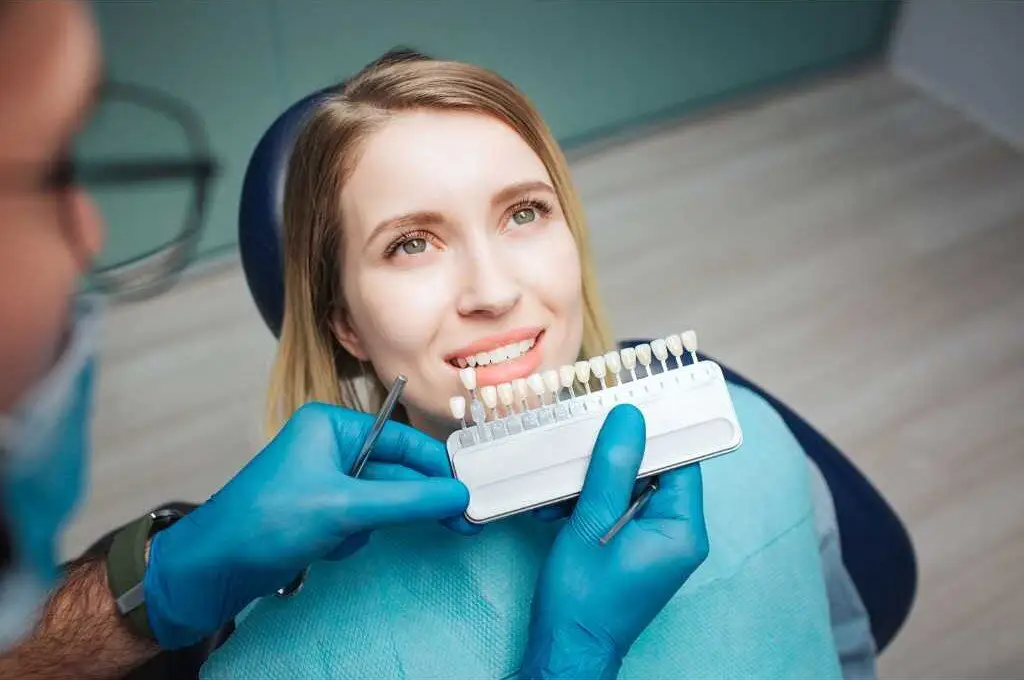
Dental veneers are thin restorations designed to cover the visible front surface of selected teeth in order to change their appearance.
They can be used as part of cosmetic dentistry when patients would like to improve tooth colour, visible shape, proportions or selected minor irregularities.
Veneers are individually planned and produced so that the final restoration can integrate with the surrounding teeth, gums and overall smile.
Veneers may help alter selected visible features of the natural teeth where this is clinically appropriate.
Veneers may be considered when patients want to alter the visible colour of selected teeth.
The visible contour and proportions of a tooth can be modified as part of the veneer design.
Selected small spaces between teeth may sometimes be visually reduced with veneers.
Veneers may restore the visible appearance of selected chipped or worn front teeth.
The most appropriate material depends on tooth structure, bite, aesthetic goals and the restorative requirements of the individual case.
Porcelain veneers are thin custom-made restorations designed to cover the visible front surface of teeth. They can be planned to alter tooth colour, contour, length and overall smile proportions.
Zirconium-based restorations may be considered in selected cosmetic and restorative cases depending on tooth preparation, strength requirements and the desired final appearance.
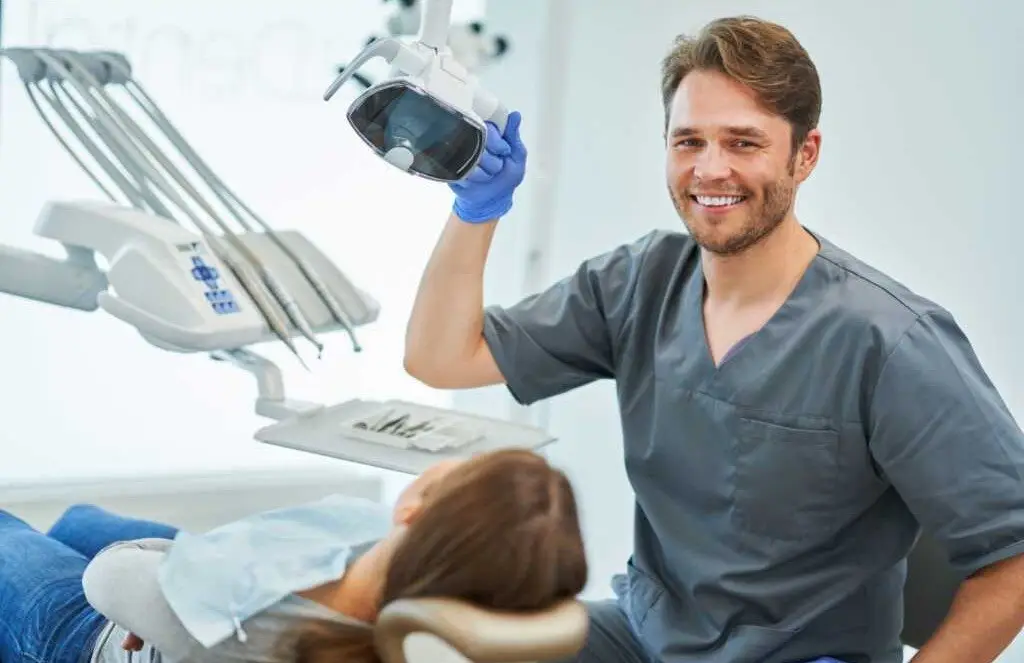
The term “Hollywood Smile” is commonly used to describe a cosmetic smile transformation involving brighter, more symmetrical and more consistently shaped visible teeth.
Veneers may form part of this type of treatment plan, but the final design should still be adapted to the patient's facial features, natural tooth position, gums and bite.
The aim is not to create exactly the same teeth for every patient, but to design proportions and a shade that are appropriate for the individual smile.
Veneers are individually planned to reproduce the desired visible tooth shape and are produced according to the measurements and restorative design prepared for the patient.
The existing treatment information describes porcelain veneers as thin restorations applied to the front surface of teeth and notes that they can be approximately 0.5 mm thin in some designs.
Teeth, gums, bite and cosmetic expectations are reviewed before the veneer design is planned.
Where preparation is required, a controlled amount of tooth structure is adjusted according to the planned veneer design.
Temporary restorations may be used while final veneers are being produced and can help assess appearance and comfort.
Final veneers are checked for fit, shade, appearance and bite before being bonded according to the treatment plan.
Veneers are primarily a cosmetic restorative treatment. Suitability depends on tooth condition, enamel, bite, gum health, existing restorations and the type of cosmetic change the patient would like to achieve.
Teeth should be assessed for decay, cracks, large restorations and structural strength.
Healthy gum tissue helps support predictable margins and the overall appearance of the restorations.
Bite forces and tooth alignment can influence whether veneers are the most appropriate option.
Desired changes in colour, length, shape and proportions are discussed before treatment.
Temporary veneers may be placed between preparation and the final restoration stage.
The existing treatment information explains that temporary veneers can help patients experience the planned shape and appearance and communicate any comfort or cosmetic concerns before the final veneers are completed.
Temporary restorations can provide an opportunity to discuss tooth length, appearance, speech, comfort and other details with the dentist before final restorations are fitted.
Treatment time depends on the number of teeth, clinical preparation and laboratory requirements.
The existing page describes approximately five full days in Turkey for many veneer treatment plans.
The current treatment information describes three clinic appointments during a typical veneer visit.
The exact schedule is confirmed according to the number of veneers and the individual clinical case.
The cost of veneer treatment depends on the number of teeth involved, material selected, laboratory work, tooth preparation and whether other dental treatment is required before the cosmetic phase.
Veneers cover the visible surface of teeth, but the natural teeth and surrounding gums still require regular oral hygiene and professional dental care.
Continue brushing and interdental cleaning around the teeth and veneer margins.
Some patients may experience temporary sensitivity after tooth preparation or placement of the final restorations.
Avoid using veneered teeth to bite very hard objects or perform actions that could place excessive force on the restorations.
Routine dental examinations allow the teeth, gums, bite and restorations to be monitored over time.
Common questions about cosmetic veneer treatment in Marmaris, Turkey.