

Losing one or more teeth can affect much more than appearance. It can change the way you eat, speak, and feel in everyday life. Modern dentistry offers several effective ways to replace missing teeth, but two of the most common solutions are dental implants and dentures.
Many patients ask the same question before making a decision: which option feels more natural? The answer depends on stability, chewing ability, comfort, speech, and long-term oral health. In this guide, we compare dental implants and dentures in a practical way so you can better understand which solution may suit your needs.
What Are Dental Implants?
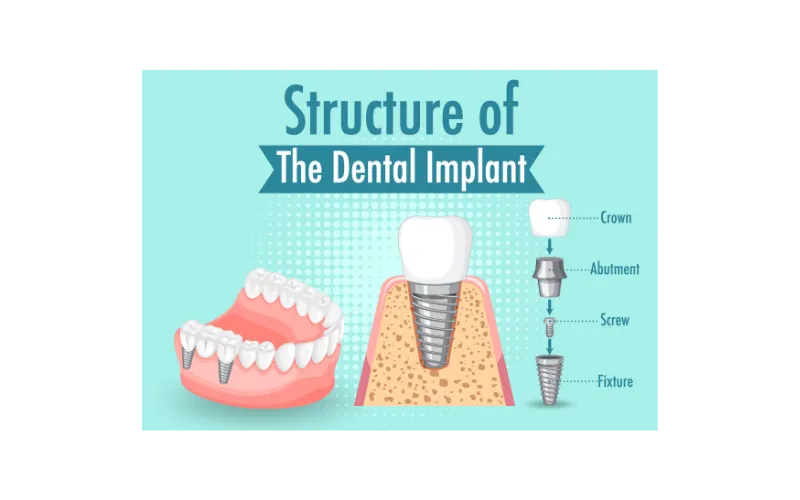
Dental implants are artificial tooth roots, usually made of titanium, that are placed into the jawbone to support replacement teeth. Once the implant integrates with the bone, a crown, bridge, or full arch restoration can be attached on top.
Because implants are anchored into the jaw, they work in a way that closely mimics natural teeth. This is one of the main reasons they often feel more stable and realistic than removable alternatives. If you want to explore treatment options in more detail, visit our Dental Implants in Turkey page.
For patients with extensive tooth loss, full arch restorations may also be considered. You can learn more on our Full Mouth Dental Implants Turkey Package Deals page.
What Are Dentures?
Dentures are removable prosthetic teeth designed to replace missing teeth and surrounding tissue. They can be used to replace a few missing teeth or a full arch, depending on the patient’s condition.
Traditional dentures rest on the gums and are usually held in place by suction, adhesive, or the natural shape of the mouth. They have helped many patients restore their smiles for decades and remain a valid option for those who want a more affordable and non-surgical solution.
If you would like to understand modern denture options better, you can visit our Dentures page.
Which One Feels More Natural?
When patients ask whether implants or dentures feel more natural, they usually mean several things at once. They are asking about comfort, bite strength, stability, speech, and how normal daily life feels after treatment.
In most cases, dental implants provide the more natural experience because they are fixed in place and connected to the jawbone. Dentures can restore appearance and function, but they do not usually feel exactly like natural teeth because they sit on top of the gums rather than being integrated into the mouth in the same way.
Stability and Security
One of the biggest differences between dental implants and dentures is stability. Dentures can sometimes shift when talking, laughing, or eating, especially if they become loose over time. This movement may make some patients feel self-conscious or uncomfortable.
Dental implants are placed directly into the jawbone, which means they stay firmly in place. That level of security makes everyday activities feel more predictable. Many people say this is the moment implants begin to feel more like real teeth and less like a removable appliance.
Chewing and Eating Comfort
Eating is another major factor. Dentures can restore the ability to chew, but they may not provide the same bite strength as natural teeth. Some foods, especially hard, crunchy, or sticky foods, may still be difficult for denture wearers.
Dental implants generally allow for stronger chewing force because they are anchored in bone. This can make it easier to enjoy foods such as meat, apples, nuts, and raw vegetables. For patients who want to return to a more normal diet, implants often feel closer to the natural experience of eating with real teeth.
Comfort in Daily Life
Comfort is not only about pain. It is also about how natural your mouth feels throughout the day. Dentures can sometimes create pressure points on the gums, especially if they are not fitting perfectly. Over time, this may lead to sore areas or irritation.
Implants do not rest on the gums in the same way. Because they are supported by the jawbone, they often feel more secure and more comfortable over the long term. Patients also appreciate that implants are cleaned much like natural teeth, without the need to remove them at night.
Speech and Confidence
Missing teeth can affect speech, and so can an unstable prosthetic solution. Some denture wearers notice clicking, slight movement, or changes in pronunciation, especially in the early stages of use.
Since implants are fixed, speech often feels more natural and confident. Patients are less likely to worry about movement while speaking, smiling, or laughing. This added confidence can have a strong emotional impact and improve quality of life in both personal and professional settings.
Jawbone Health and Facial Structure
After tooth loss, the jawbone can begin to shrink because it no longer receives stimulation from the natural tooth root. This process is called bone resorption, and it can gradually affect facial shape.
Traditional dentures do not stop bone loss. Dental implants, however, help stimulate the jawbone in a way that is much closer to natural tooth roots. This makes implants beneficial not only for function, but also for preserving bone volume and facial support over time.
For patients considering long-term smile restoration, this is one of the strongest advantages of implant treatment.
Cost and Long-Term Value
Dentures are usually more affordable at the beginning, which is one reason they remain popular. They can be a practical choice for patients who want to restore missing teeth without surgery or a larger initial investment.
Dental implants typically cost more upfront, but they may offer greater long-term value because of their durability, stability, and bone-preserving benefits. While dentures may need relining, adhesives, or replacement over time, implants are designed to be a long-lasting solution when properly maintained.
Is There a Middle Option?
Yes. Some patients choose implant-supported dentures. This option combines the removable design of dentures with the added support of implants. The denture attaches to implants placed in the jaw, improving stability and reducing movement.
For some people, this can be an effective balance between comfort, function, and budget. It may not feel exactly the same as individual implants, but it often feels more secure than traditional dentures alone.
Who May Prefer Dentures?
Dentures may be suitable for patients who want a quicker, non-surgical, and lower-cost solution. They can also work well in cases where patients are not ready for implant surgery or need a temporary replacement option.
Modern dentures can look attractive and restore smile aesthetics effectively, especially when they are carefully designed and professionally fitted.
Who May Prefer Dental Implants?
Dental implants are often the preferred option for patients who want the most natural feeling result. They are especially attractive for those who value strong chewing ability, long-term comfort, stable speech, and improved jawbone support.
Patients who have lost many or all of their teeth may also benefit from advanced full-mouth implant solutions. If that applies to you, take a look at our full mouth dental implants treatment options.
Final Thoughts
So, which one feels more natural: dental implants or dentures? For most patients, dental implants come closer to the feel of natural teeth. They are stable, comfortable, and better able to support normal eating, speaking, and long-term oral health.
Dentures still remain an important and effective option, especially for patients looking for a more affordable or non-surgical treatment. The right choice depends on your oral condition, expectations, budget, and treatment goals.
If you are considering tooth replacement and want to understand your options clearly, you can explore our pages on dentures, dental implants in Turkey, and full mouth dental implants in Turkey.