
Consultation
Dental examination and discussion of the patient's treatment needs.
Dental implants are used to replace missing teeth by placing an implant into the jawbone and restoring it with an appropriate dental prosthesis. This guide explains the dental implant process from consultation and digital planning through implant placement, healing, abutment placement and the final restoration.
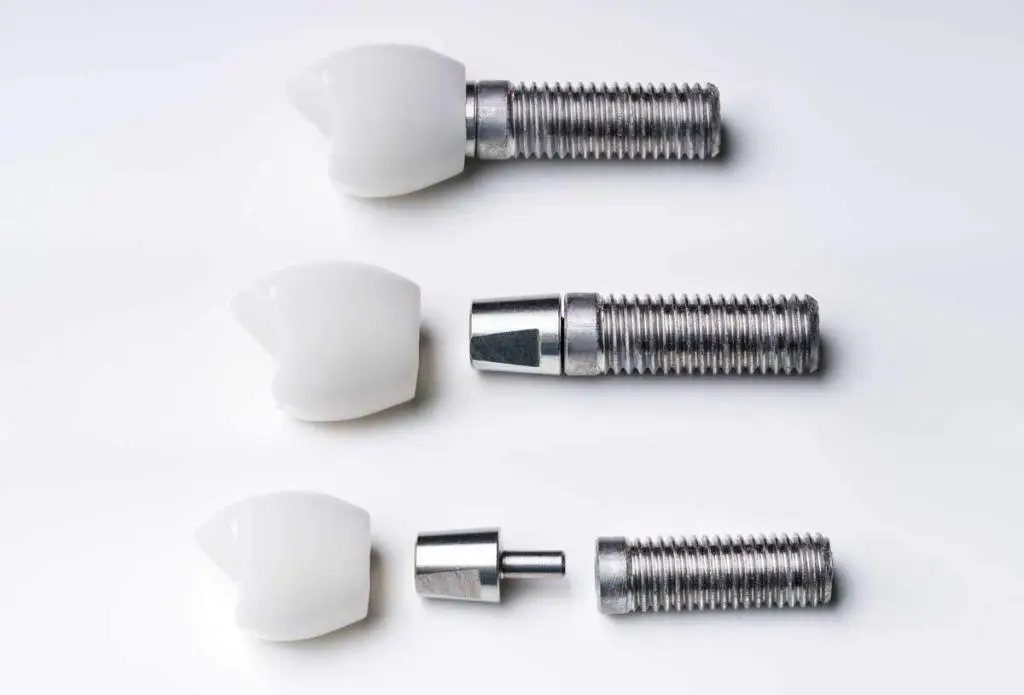
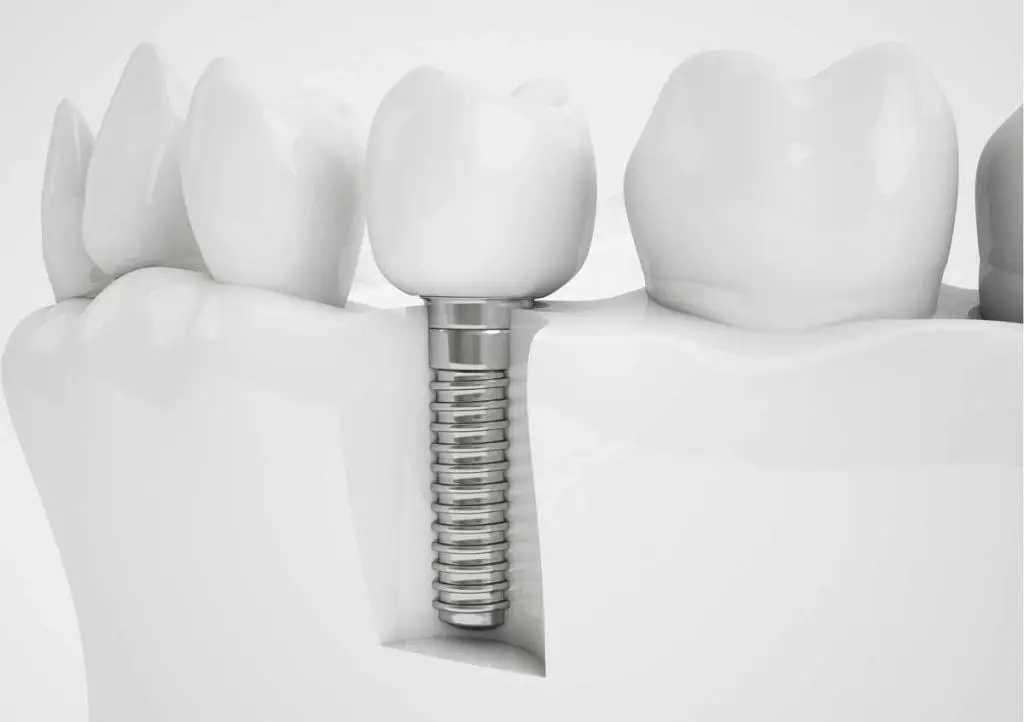
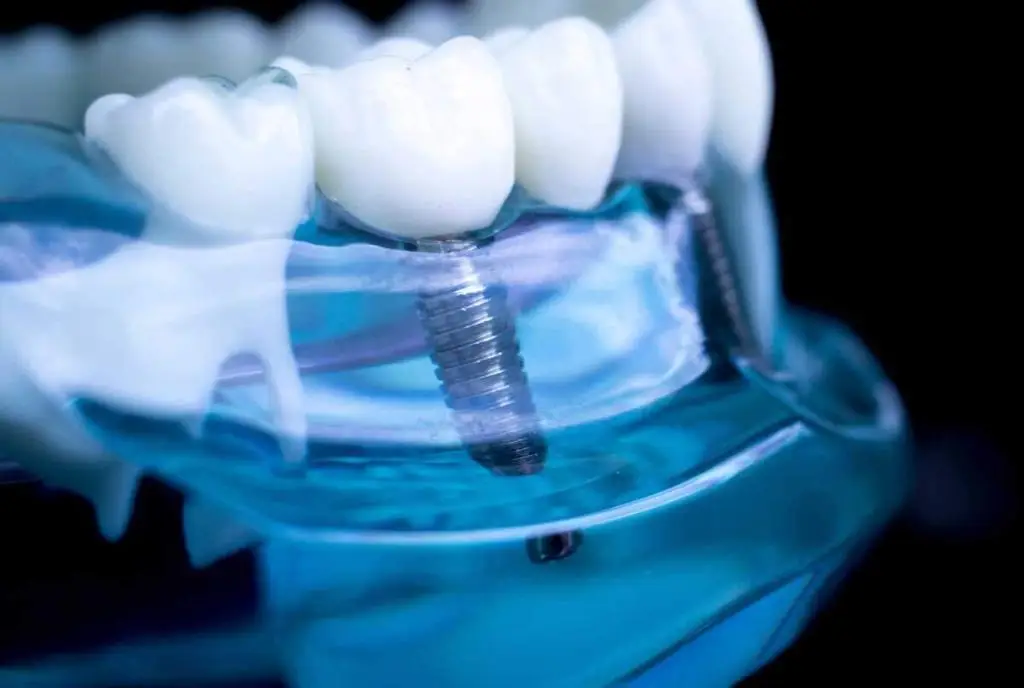
A dental implant procedure is a method of replacing one or more missing teeth using an implant placed within the jawbone. The implant acts as a foundation for a dental restoration such as a crown, bridge or full-arch prosthesis.
Dental implant treatment usually involves several stages. These may include consultation, examination, X-rays or three-dimensional imaging, treatment planning, implant placement, a healing period and the fitting of the final restoration.
The exact sequence and treatment time can vary from person to person depending on the number of implants, available bone, oral health and whether additional procedures are required.
A conventional implant treatment journey can be divided into several important stages from initial evaluation through to the final restoration.
Dental examination and discussion of the patient's treatment needs.
X-rays and, when appropriate, 3D imaging can support implant treatment planning.
The implant is surgically positioned within the planned area of the jawbone.
Time is allowed for healing and integration of the implant with the surrounding bone.
An appropriate crown, bridge or other restoration is connected to the implant system.
The stages below explain the general sequence described in the existing dental implant treatment guide.
The dental implant process begins with a consultation and examination. The dentist evaluates the mouth, existing teeth, gums and the area where teeth are missing.
This appointment also provides an opportunity to discuss treatment goals and determine whether dental implants may be an appropriate option.
Dental X-rays and, when required, three-dimensional imaging may be used to evaluate the jawbone and surrounding structures.
This information can help the implant team plan the proposed implant position and determine whether any preparatory treatment may be required.
Before implant placement, necessary dental treatment may be completed. Depending on the individual case, this can include cleaning, treatment of existing oral health problems or tooth extraction.
Some patients may also require additional procedures before or alongside implant placement depending on bone availability and the treatment plan.
During implant placement, the dental implant is positioned within the planned area of the jawbone. Local anaesthesia is commonly used during the procedure.
The implant provides the foundation for the future dental restoration.
Following placement, the implant enters a healing period. Osseointegration refers to the process in which the surrounding bone integrates with the implant surface.
Healing time varies and depends on factors such as the treatment site, bone condition and whether additional procedures have been performed.
The abutment is the component that helps connect the implant to the final dental restoration.
Depending on the implant system and treatment plan, abutment placement may take place during the implant procedure or at a later stage.
Once the implant is ready for restoration, impressions or digital records can be used to produce the appropriate replacement tooth or teeth.
For a single missing tooth, this may be an implant-supported crown. Other cases may require an implant-supported bridge or full-arch restoration.
Scans and X-rays help the dental team evaluate the proposed implant site and surrounding structures.
The dental implant is placed within the jawbone at the position established during treatment planning.
Following surgery, time is allowed for healing and integration of the implant with the surrounding bone.
The abutment and final replacement tooth or teeth are then connected according to the treatment plan.
Dental implant treatment is usually a multi-stage process rather than a single appointment. The surgical placement itself may take considerably less time than the full treatment journey.
Overall treatment time depends on the number of implants, the complexity of the case, healing, the condition of the jawbone and whether additional treatment such as extraction or bone augmentation is required.
Your dentist can provide a more accurate treatment timeline after examining your individual dental condition.
Recovery experiences vary, but the existing guide identifies several common considerations following implant placement.
Some swelling, bruising or tenderness around the surgical area may occur during the early healing period after dental implant placement.
Following the dental team's oral hygiene instructions and maintaining a clean mouth are important parts of implant recovery and long-term care.
Follow-up appointments allow the dentist to evaluate healing and monitor the implant before and after the restorative stage.
Dental implants and implant-supported restorations require ongoing oral hygiene. Brushing, appropriate interdental cleaning and regular professional dental reviews remain important.
The implant restoration and surrounding gum tissues should be monitored as part of routine dental care.
Dental implants are not the only method of replacing missing teeth. Other options may include dental bridges, full dentures or removable partial dentures.
The appropriate option depends on factors including dental health, the number of missing teeth, available support and the patient's individual treatment goals.
The total cost of dental implant treatment can vary according to factors such as the number and type of implants, the restoration required, diagnostic procedures and whether additional treatment is necessary. For accurate pricing, an individual assessment and treatment plan are required.
Dental implant placement is a surgical dental procedure. The extent of treatment varies according to the number of implants and whether additional procedures, such as bone augmentation or tooth extraction, are required.
Anaesthesia is used during implant placement. Some tenderness, swelling or discomfort may occur after the procedure, and the experience can vary depending on the individual and the extent of treatment.
Healing time varies. Osseointegration may take several months, and the overall treatment period can be longer when additional procedures or extended healing are required.
Osseointegration is the process through which bone integrates with the surface of a dental implant, helping establish a stable foundation for the planned restoration.
The final restoration is fitted once the implant is considered ready for restoration according to the individual treatment plan. Timing can therefore vary between patients.
Dental implant treatment is typically completed through a sequence of evaluation, imaging, treatment planning, implant placement, healing and restoration. The exact process can differ according to the patient's oral health, bone condition and the number of teeth being replaced. A detailed dental assessment is therefore the first step in creating an individual implant treatment plan.
Contact Marmaris Dental Center to discuss your dental needs, treatment options and the next steps in planning your individual dental implant treatment.