

Dental implants are one of the most reliable and long-lasting solutions for missing teeth. They look natural, feel secure, and help restore both function and confidence. Still, one of the biggest questions patients ask before starting treatment is simple: how long does the dental implant process take from start to finish?
The answer depends on several factors, including your oral health, bone quality, the number of implants needed, and whether you require additional procedures such as tooth extraction or bone grafting. For some patients, the treatment can be completed in a relatively short time. For others, the full process may take several months. Understanding each stage helps set realistic expectations and reduces anxiety before treatment begins.
In this guide, we explain the full dental implant timeline step by step, from the first consultation to the final restoration, so you know exactly what to expect and how long the process may take for your case.
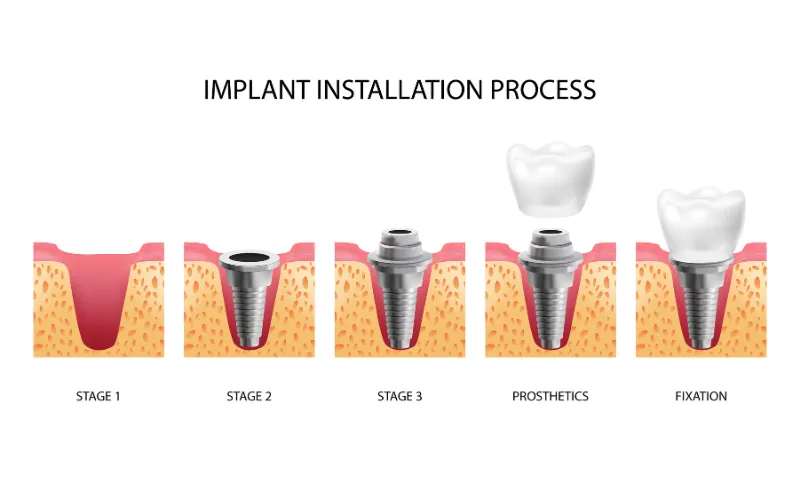
What Is the Average Timeline for Dental Implants?
In many standard cases, the full dental implant process takes between 3 and 6 months. However, this is only a general estimate. A simple case with healthy gums and sufficient jawbone may move faster, while a more complex case may take longer. Patients who need a full-arch restoration may follow a different schedule than those receiving a single implant.
Here is a general timeline:
- Single dental implant: around 3 to 6 months
- Multiple implants: around 4 to 8 months
- Full mouth dental implants: around 3 to 9 months depending on complexity
Modern implant dentistry has also created faster treatment options. In selected cases, patients can receive temporary teeth much sooner, especially with advanced solutions such as All-on-4 dental implants in Turkey.
Step 1: Initial Consultation and Examination
The process begins with a detailed consultation. This first appointment is extremely important because it allows the dentist to evaluate your oral health, determine whether you are a good candidate for implants, and prepare a personalized treatment plan.
During this stage, your dentist may carry out:
- Clinical examination of teeth and gums
- Digital X-rays
- 3D dental scans such as CBCT imaging
- Evaluation of bone density and gum condition
- Discussion of treatment options and timeline
This phase is usually completed within 1 to 3 days, especially in clinics that are experienced in treating international patients. If you are researching options abroad, you can learn more about the general treatment journey on our Dental Implants in Turkey page.
Step 2: Tooth Extraction if Needed
Not every patient needs an extraction before implant treatment, but if you have a damaged, infected, or failing tooth, it may need to be removed first. In some cases, the extraction and implant placement can happen on the same day. In other cases, the site may need time to heal before the implant is inserted.
The timing usually looks like this:
- Extraction appointment: typically completed in one visit
- Basic healing period: around 1 to 2 weeks
- Extended healing in some cases: up to 4 to 6 weeks
If the bone and gum condition are favorable, immediate implant placement may be possible, which can shorten the total treatment period significantly.
Step 3: Bone Grafting When Necessary
Bone grafting is not required for every patient, but it becomes necessary when the jawbone is not thick or strong enough to support an implant properly. Since implants need a stable foundation, sufficient bone volume is essential for long-term success.
If bone grafting is required, the timeline may increase depending on the size and type of the graft:
- Small graft: around 6 to 8 weeks
- Larger graft: around 3 to 6 months
This is often the main reason why some implant cases take longer than expected. Still, bone grafting can make implant treatment possible for patients who would otherwise not be suitable candidates.
Some patients ask whether there are more comfortable or less invasive options. Depending on the case, certain patients may benefit from alternative techniques, including treatments discussed on our Dental Implants Without Surgery page.
Step 4: Dental Implant Placement Surgery
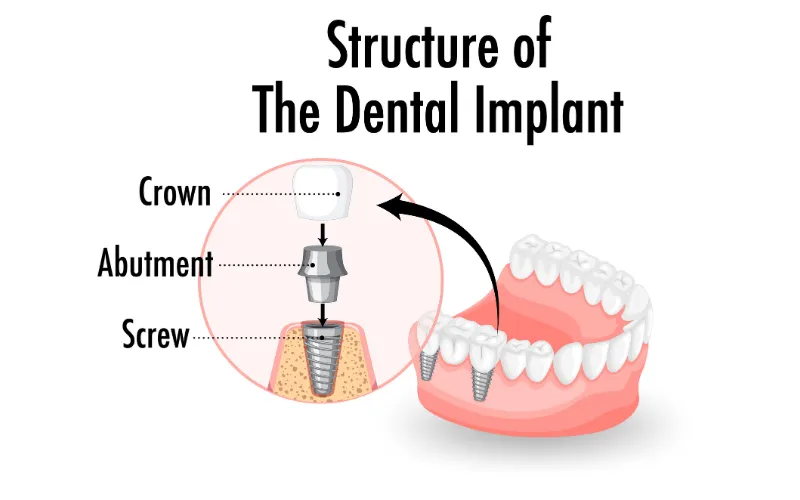
Once the mouth is ready, the next stage is the placement of the dental implant itself. This is the surgical step where a titanium implant is inserted into the jawbone to act as an artificial tooth root.
For many patients, this procedure is simpler than expected. It is typically performed under local anesthesia, and sedation options may also be available for anxious patients.
At this stage, you can usually expect:
- The procedure to be completed in one visit
- Each implant to take about 1 to 2 hours depending on complexity
- Mild swelling or discomfort for a few days after surgery
- A short recovery period before returning to normal routine
Although the surgery itself is relatively quick, this is not the end of the process. The most important phase begins after the implant has been placed.
Step 5: Osseointegration Healing Period
After implant placement, the body needs time to heal. During this stage, the implant gradually fuses with the jawbone through a natural biological process called osseointegration. This step is essential because it creates the strong, stable base needed to support the final tooth.
This is generally the longest part of the dental implant process. On average:
- Lower jaw healing: around 2 to 3 months
- Upper jaw healing: around 3 to 6 months
The exact healing time depends on bone quality, general health, oral hygiene, and whether additional procedures were performed. Smokers and patients with uncontrolled health conditions may need more time for proper healing.
Many patients become impatient at this stage, but this period should not be rushed. A properly healed implant has a much higher success rate and better long-term stability.
Step 6: Abutment Placement
After the implant has successfully integrated with the bone, the next step is to place the abutment. This is the connector piece that sits on top of the implant and supports the final crown, bridge, or denture.
This is usually a minor procedure and often takes place in a single appointment. After the abutment is placed, the surrounding gum tissue may need a short period to heal.
- Abutment placement: same-day procedure
- Healing after placement: around 1 to 2 weeks
Once the gums have settled properly, the final restoration can be designed and attached.

Step 7: Final Crown or Prosthetic Placement
The last stage of the dental implant process is the placement of the final restoration. This may be a single crown, a bridge, or a full-arch prosthesis depending on the treatment plan.
At this point, impressions or digital scans are used to create a restoration that matches the natural shape, color, and function of your teeth. Once ready, the dentist fits and secures the final piece.
This phase usually includes:
- Final measurements or impressions
- Lab production of the custom restoration
- Fitting and adjustments
The final prosthetic stage often takes around 1 to 2 weeks depending on the lab process. After placement, the implant looks and functions like a natural tooth.
Can the Dental Implant Process Be Faster?
Yes, in some cases the process can be accelerated. Dentistry has advanced significantly, and selected patients may qualify for treatment approaches that reduce waiting time.
One of the best-known options is immediate loading, where temporary teeth are attached shortly after implant placement. Another highly popular solution is the All-on-4 treatment concept, especially for patients missing most or all teeth in one arch.
With All-on-4, the timeline may look different because:
- Implants are strategically placed in one day
- Temporary teeth can often be fitted quickly
- The patient does not have to wait toothless during healing
This does not mean the final permanent prosthesis is delivered immediately, but it does mean patients can enjoy faster functional and aesthetic improvement.
How Long Do Full Mouth Dental Implants Take?
Patients who need full mouth restoration often want to know whether the process is much longer than a single implant. The answer is that it can be, but the exact timeline depends on the method used and the condition of the jawbone.
A traditional full mouth implant case may involve multiple surgeries and longer healing periods. However, modern systems can simplify the process significantly.
A typical full mouth timeline may include:
- Consultation and planning: 1 to 3 days
- Surgical phase: 1 to 3 days
- Healing period: 3 to 6 months
- Final prosthetics: 1 to 2 weeks
Patients interested in a complete smile restoration often explore our Full Mouth Dental Implants Turkey Package Deals page for a clearer understanding of available options.
What Factors Affect the Total Treatment Time?
Every dental implant case is unique. Even when two patients receive the same type of implant, the timeline can differ. Several important factors influence how long the treatment will take from start to finish.
Bone Quality and Quantity
If you have strong, healthy jawbone, treatment can often move faster. If bone loss is present, grafting or a modified treatment plan may be necessary.
Number of Missing Teeth
A single implant case is naturally simpler than a multiple implant or full mouth restoration. More implants can increase planning time and complexity.
Gum Health
Healthy gums are essential for implant success. If gum disease is present, it may need to be treated first before implant surgery begins.
General Health
Conditions such as uncontrolled diabetes, heavy smoking, or immune-related issues can slow healing and influence the treatment schedule.
Treatment Technique
Traditional implant methods often involve longer healing periods, while advanced solutions such as immediate loading or All-on-4 may reduce overall treatment time.
Dentist Experience and Technology
Experienced implant dentists using modern digital planning tools can often create more efficient and predictable treatment plans.
How Long Do Dental Implants Last Once Completed?
Although the process may take a few months, the long-term value of dental implants is one of their greatest advantages. When properly placed and cared for, implants can last for many years and often for decades.
- Implant post: often 20 years or more, and in many cases a lifetime
- Dental crown or prosthetic restoration: often 10 to 15 years or longer depending on wear and care
This is why many patients consider the treatment time worthwhile. The result is not just a short-term cosmetic improvement. It is a long-term investment in oral function, stability, and confidence.
Is the Dental Implant Process Worth the Wait?
For most patients, the answer is yes. Although the treatment requires planning, patience, and healing time, the benefits are significant. Dental implants do more than replace missing teeth. They also help preserve jawbone, support facial structure, restore chewing efficiency, and improve speech.
Compared with removable options, implants usually feel more natural and secure. Patients often report that once treatment is complete, the time spent healing feels minor compared to the comfort and confidence they gain.
Final Thoughts
So, how long does the dental implant process take from start to finish? In most cases, the answer is between 3 and 6 months, but the exact timeline depends on your needs, healing response, and treatment type. Some patients may finish sooner with advanced techniques, while others may require a longer process due to extractions, grafting, or complex restorations.
The best way to understand your personal timeline is through a detailed dental consultation and proper imaging. Once your dentist has evaluated your bone structure, gum health, and treatment goals, you can receive a clear plan tailored to your case.
If you are considering treatment abroad, Marmaris Dental Center offers modern implant solutions designed around patient comfort, efficiency, and long-term success. Whether you are looking for a single implant, a full smile restoration, or a faster full-arch option, understanding the timeline is the first step toward making a confident decision.
Frequently Asked Questions
Can dental implants be completed in one trip?
In some cases, yes. However, many patients require two stages: an initial surgical visit and a second visit for the final restoration after healing.
How painful is the implant process?
Most patients describe the discomfort as manageable. The procedure is done under anesthesia, and post-treatment soreness is usually mild for a few days.
Can I get temporary teeth while healing?
Yes, many patients can receive temporary restorations, especially with full-arch systems such as All-on-4.
What happens if I delay the process after losing a tooth?
Delaying treatment can lead to bone loss over time, which may make the process longer and more complex later.
How do I know which implant option is right for me?
The right option depends on your oral condition, bone structure, budget, and treatment goals. A professional consultation is the best way to determine the most suitable approach.