

Dental implants are widely considered one of the most durable and reliable solutions for replacing missing teeth. With proper care, they can last decades—or even a lifetime. However, a common concern among patients is: can dental implants fail after 10 years?
The short answer is yes—although rare, late implant failure can occur even after many years of successful function. Understanding why this happens and how to prevent it is essential for protecting your investment and long-term oral health.
How Long Do Dental Implants Typically Last?
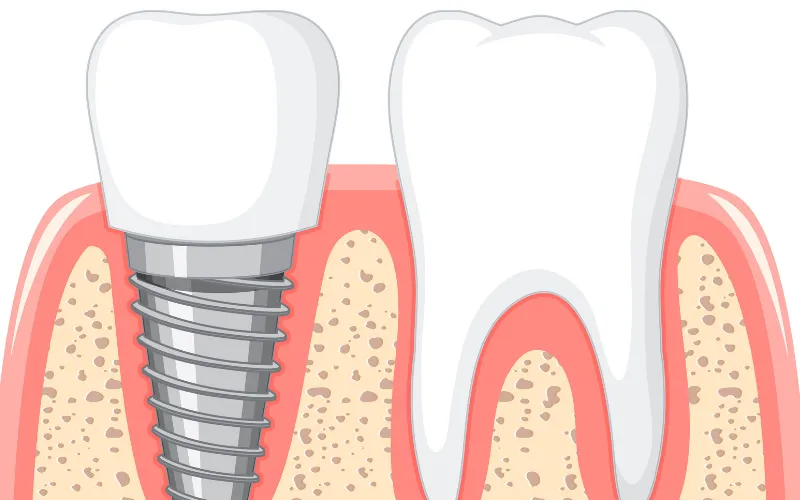
Dental implants are designed to be a long-term solution. The titanium post that integrates with the jawbone (osseointegration) can last 20 years or more. In many cases, implants last a lifetime when maintained properly.
However, the crown (the visible part of the implant) may need replacement after 10–15 years due to normal wear and tear.
For patients considering treatment abroad, procedures like dental implants in Turkey offer high-quality care combined with cost-effective solutions, making long-term implant success more accessible.
What Is Late Dental Implant Failure?
Implant failure is generally categorized into two types:
- Early failure: Occurs within the first few months, usually due to poor osseointegration.
- Late failure: Happens after the implant has already functioned successfully for years.
This article focuses on late failure, particularly cases that occur after 10 years or more.
Main Causes of Dental Implant Failure After 10 Years
1. Peri-Implantitis (Gum Infection Around the Implant)
The most common cause of late implant failure is peri-implantitis. This condition is similar to gum disease and leads to inflammation, bone loss, and eventual implant instability.
Poor oral hygiene, plaque buildup, and untreated gum disease significantly increase the risk.
2. Bone Loss Over Time
Even after successful integration, the jawbone can gradually deteriorate due to aging, medical conditions, or lack of stimulation.
If enough bone is lost, the implant may lose support and fail.
3. Mechanical Stress and Overloading
Excessive force on the implant—caused by teeth grinding (bruxism), improper bite alignment, or heavy chewing—can weaken the implant structure or surrounding bone.
This is especially important for patients with full-arch restorations such as All-on-4 dental implants in Turkey, where proper bite distribution is critical.
4. Poor Implant Placement or Initial Planning
Even if an implant functions well for years, improper placement or insufficient bone at the time of surgery can lead to complications later.
This highlights the importance of choosing experienced professionals and advanced planning techniques.
5. Smoking and Lifestyle Factors
Smoking significantly reduces blood flow to the gums and bone, impairing healing and long-term stability. Over time, this can lead to implant failure.
Other factors include poor diet, lack of oral care, and high stress levels.
6. Chronic Health Conditions
Conditions such as diabetes, osteoporosis, or immune disorders can affect bone health and healing capacity.
Even well-functioning implants can become vulnerable over time if systemic health declines.
7. Wear and Tear of Prosthetic Components
While the implant itself may remain stable, the crown, screws, or connectors can wear out or loosen over time.
In full-mouth restorations like full mouth dental implants in Turkey package deals, regular maintenance is crucial to prevent minor issues from turning into major problems.
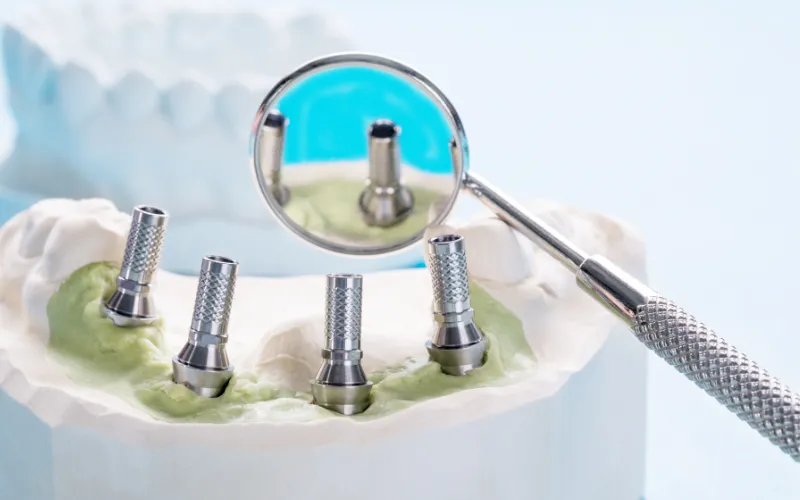
Warning Signs of Implant Failure
Early detection can prevent complete implant loss. Watch for the following symptoms:
- Persistent pain or discomfort around the implant
- Swelling or bleeding gums
- Loose implant or crown
- Difficulty chewing
- Receding gums around the implant
If you notice any of these signs, consult your dentist immediately.
How to Prevent Dental Implant Failure After 10 Years
1. Maintain Excellent Oral Hygiene
Brush twice daily, floss regularly, and use antibacterial mouthwash. Implants require the same level of care as natural teeth—if not more.
2. Schedule Regular Dental Check-Ups
Professional cleanings and examinations help detect early signs of peri-implantitis or mechanical issues before they escalate.
3. Avoid Smoking
Quitting smoking is one of the most effective ways to improve long-term implant success.
4. Use a Night Guard if Needed
If you grind your teeth, a custom night guard can protect your implants from excessive force.
5. Follow a Balanced Diet
Good nutrition supports bone health and overall oral stability. Calcium and vitamin D are especially important.
6. Choose High-Quality Treatment from the Start
The success of a dental implant begins with proper planning, high-quality materials, and experienced surgeons.
Clinics offering advanced procedures such as dental implants in Turkey often combine digital planning, 3D imaging, and expert teams to maximize long-term success.
Are Dental Implants Worth It Long-Term?
Despite the small risk of failure, dental implants remain one of the most successful treatments in modern dentistry, with success rates above 95%.
Compared to bridges or dentures, implants provide:
- Better stability and function
- Preservation of jawbone structure
- Improved aesthetics and confidence
- Long-term cost efficiency
When properly maintained, they are a lifetime investment in both health and quality of life.
What Happens If an Implant Fails After 10 Years?
If an implant fails, it does not necessarily mean the situation is irreversible. Treatment options may include:
- Removing the failed implant
- Bone grafting to rebuild the area
- Placing a new implant after healing
- Alternative restorations depending on the case
With modern dentistry, many failed implants can be successfully replaced.
Conclusion
So, can dental implants fail after 10 years? Yes—but it is uncommon and usually preventable. Most failures are linked to factors such as poor oral hygiene, gum disease, excessive stress, or underlying health conditions.
The key to long-lasting dental implants lies in proper care, regular check-ups, and choosing a high-quality treatment provider from the beginning.
With the right approach, your dental implants can remain strong, functional, and beautiful for decades.