
Number of Implants
Replacing one tooth has different requirements from multiple implants or a full-arch treatment.
How much do dental implants cost in Turkey? The answer depends on the implant system, number of implants, condition of the jawbone, type of restoration and whether additional procedures are required. This guide explains dental implant costs in Turkey together with the treatment process, suitability, benefits, risks and long-term care.
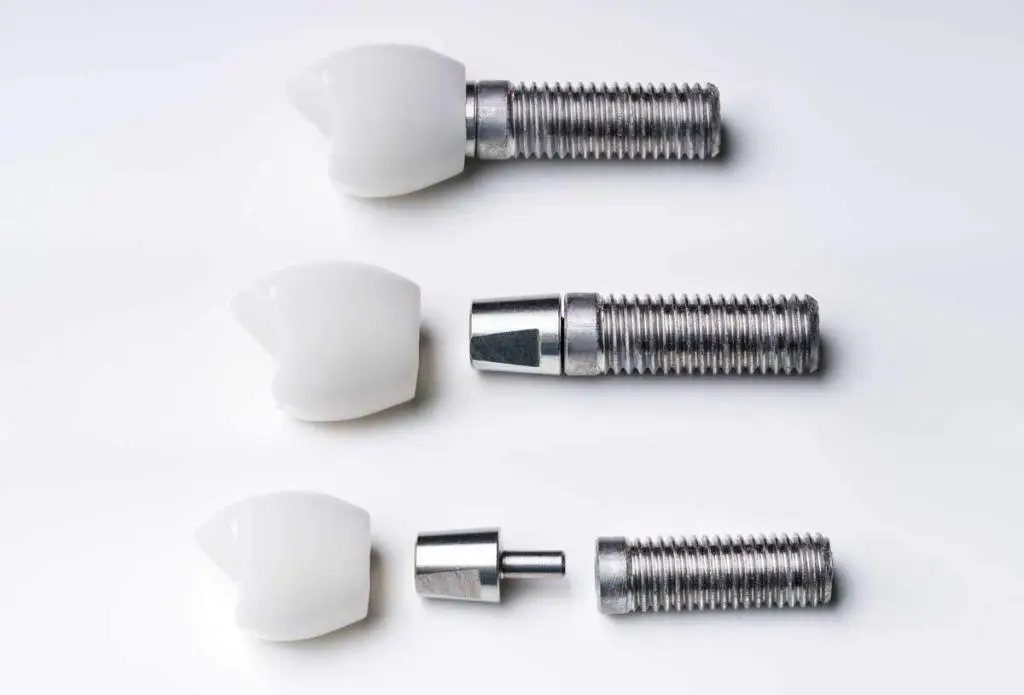
A dental implant is used to replace the root portion of a missing tooth and provide support for a dental restoration. Implants are commonly made from biocompatible materials such as titanium and are positioned within the jawbone.
Once the implant has healed and achieved sufficient stability, it can support a crown, bridge or other implant-supported restoration depending on the number of missing teeth and the individual treatment plan.
Dental implants can be considered for a single missing tooth, several missing teeth or, in suitable cases, for supporting larger restorations when many or all teeth are missing.
There is no single implant price that applies to every patient. Your final treatment cost depends on the clinical requirements of your individual case.
Replacing one tooth has different requirements from multiple implants or a full-arch treatment.
Implant systems and manufacturers can differ in materials, components, technology and pricing.
Some patients may require additional procedures before or alongside implant placement.
The cost also depends on whether the treatment involves a crown, bridge or larger implant-supported restoration.
The existing guide on this page has historically shown this general price range depending on implant brand, treatment complexity and placement technique. Current prices should always be confirmed before treatment.
Dental implant cost in Turkey varies because no two patients have exactly the same treatment requirements. The number of missing teeth, bone condition, implant system and final restoration all influence the overall treatment price.
When comparing dental implant prices, it is important to look beyond the advertised implant price alone. Ask what implant system is being used, what components are included and whether additional procedures such as extraction, bone augmentation, temporary teeth or the final restoration are included in the quotation.
The most accurate way to determine your dental implant cost is therefore to receive an individual assessment and written treatment plan.
Package contents should always be confirmed for the individual quotation, but the existing Marmaris Dental Center guide identifies several services that may be included depending on the selected treatment package.
The number of implants required is one of the most important factors affecting the overall treatment cost.
Implant manufacturers use different component systems and surface technologies, which can affect pricing.
Damaged or non-restorable teeth may need to be removed before or during the implant treatment process.
Reduced bone volume may require additional planning or augmentation procedures before implant restoration.
The type of anaesthesia or additional sedation selected for treatment can influence the overall treatment plan.
A single crown, implant-supported bridge and full-arch restoration have different laboratory and clinical requirements.
A dental implant may support an individual crown and replace a single missing tooth without using the adjacent teeth as bridge supports.
Multiple missing teeth may sometimes be restored using strategically positioned implants supporting a fixed dental bridge.
When many or all teeth are missing, implants may be used as support for larger fixed or removable restorations depending on clinical suitability.
Reduced jawbone volume does not automatically rule out implant treatment. Imaging can help determine whether additional procedures are required before treatment.
Implant treatment usually involves several stages rather than one single appointment.
The dentist evaluates the teeth, gums, missing tooth areas and general oral condition before preparing the treatment plan.
Dental imaging helps evaluate bone availability, surrounding structures and the proposed implant position.
The dental implant is surgically positioned within the planned area of the jawbone. Local anaesthesia is commonly used during implant placement.
The implant is allowed time to heal and integrate with the surrounding bone. Healing time differs between individual patients.
Once the implant is ready for restoration, a crown, bridge or other suitable implant-supported restoration can be fitted.
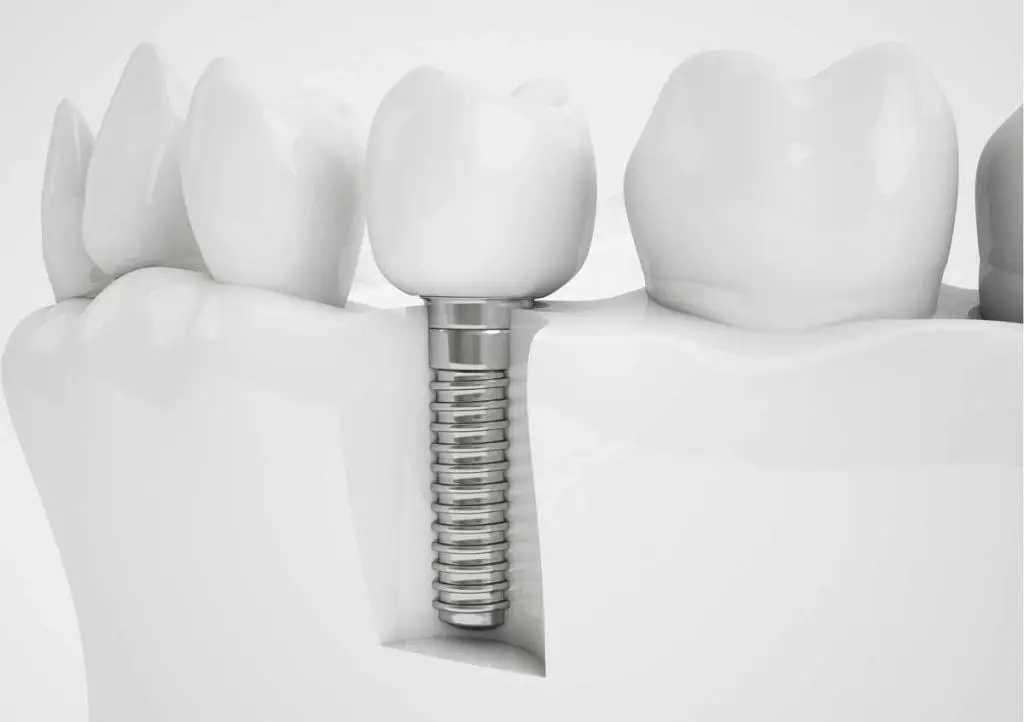
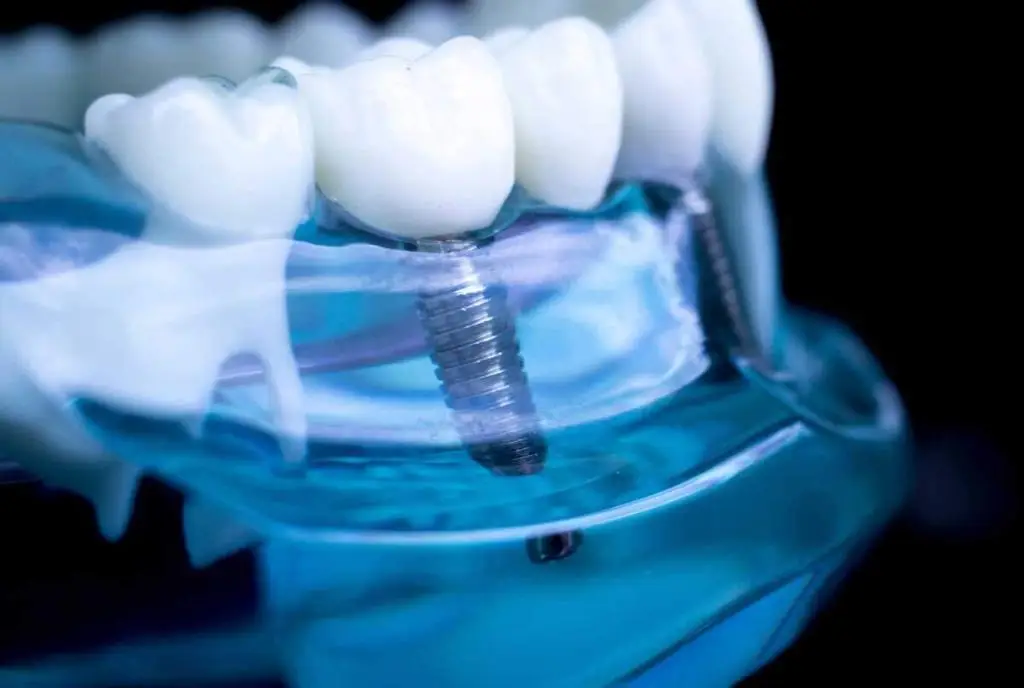
Dental implant treatment generally requires more than one stage because time is needed between implant placement and the final restoration.
The existing treatment guide describes a healing period of approximately two to three months in many cases. However, actual healing time varies according to bone quality, implant position, general health and whether additional treatment has been performed.
Your dentist should provide the expected timeline after examination and treatment planning.
The original page listed eleven separate advantages. These have been consolidated below into clearer treatment benefits without repeating the same claims.
Implant-supported restorations can be designed to integrate naturally with the patient's smile and surrounding teeth.
The implant provides a fixed foundation for the restoration and can improve stability compared with some removable tooth-replacement options.
Implant placement can help maintain stimulation of the jawbone in the area where a natural tooth root has been lost.
A single implant can replace a missing tooth without requiring the neighbouring healthy teeth to provide traditional bridge support.
Once treatment is complete and healing is satisfactory, stable implant restorations can support everyday chewing and speech.
Dental implants are intended as a long-term treatment option, although longevity depends on oral hygiene, general health, maintenance and individual factors.
Dental implants are designed as a long-term tooth-replacement option, but no individual implant can be guaranteed to last for a specific number of years.
Long-term outcomes depend on factors including oral hygiene, gum health, bone condition, smoking, general health, bite forces and regular professional dental care.
Implant-supported crowns and other prosthetic components may also have different maintenance requirements from the implant itself.
Dental implant placement is a surgical procedure and, as with other surgical treatments, complications can occur.
Careful diagnosis, imaging, treatment planning and follow-up are important for identifying and managing individual risk factors.
Post-operative instructions should be followed carefully, including guidance regarding eating, medication and cleaning the surgical area.
Your dental team may recommend a softer diet and avoiding foods or habits that could irritate the surgical site during early healing.
Long-term brushing, interdental cleaning and regular dental examinations remain important after implant treatment.
A lower price does not by itself determine whether an implant treatment is appropriate or inappropriate. Different implant manufacturers, clinic operating costs and treatment packages can result in different prices.
Patients comparing dental implant prices in Turkey should consider the implant system, treatment plan, dentist, clinic, diagnostic process, components included in the quotation and arrangements for follow-up care rather than choosing solely by the advertised price.
Implant prices vary according to the number of implants, implant system, restoration and any additional treatment required. The existing guide on this page has historically shown a broad range of approximately £400–£1,000 per implant depending on the case, but current pricing should be confirmed through an individual quotation.
Price differences can reflect implant systems, restorative materials, clinical complexity, bone preparation, extractions and other services included within the treatment plan.
Not every patient has the same clinical conditions. Oral health, general health, jawbone volume and other individual factors must be assessed before implant treatment is recommended.
Treatment is normally completed in stages. Healing may take several months and the overall timeline depends on the individual treatment plan and whether additional procedures are necessary.
Compare the proposed implant system, clinical plan, what is included in the quotation, diagnostic process, restorative treatment, follow-up arrangements and the experience of the dental team rather than comparing price alone.
Every implant treatment plan is different. Contact Marmaris Dental Center and provide your dental information so our team can discuss suitable treatment options and prepare an individual quotation.